Category: Patient Engagement
-

Reporter’s Notebook: National Health IT Week
While Monday’s Consumer Health IT Summit in Washington, D.C., helped to kick off this year’s National Health IT Week with a bang, and the U.S. Department of Health & Human Services’ launch of its Meaningful Consent site brought increased attention to the issue of patient engagement, several other announcements and events helped to shape the…
-

KLAS: MU Stage 2 Drives EHR Patient Portal Offerings
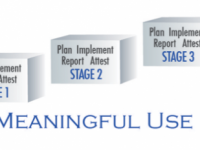
Meaningful use (MU) Stage 2 requirements are accelerating electronic health record (EHR)-specific patient portal adoption at an increasing rate, according to a new report from the Orem, Utah-based research and consulting firm, KLAS Research. Meaningful use (MU) Stage 2 requirements are accelerating electronic health record (EHR)-specific patient portal adoption at an increasing rate, according to…
-
Frost & Sullivan: Patient Safety and Risk Management a Priority for EU States
Europe is at the forefront of acknowledging the importance of patient safety and risk management. Eight to 10 percent of patients in the region are subjected to healthcare-associated infections and medication or prescription errors. Around 30 to 40 percent of these issues are preventable, and healthcare institutions have rolled out several initiatives for reporting and…
-
‘OpenNotes Is Not a Project, It’s a Movement’
At Consumer Health IT Summit, Tom Delbanco, M.D., of Beth Israel Deaconess Medical Center talked about the patient safety potential of patient and family participation in reading and creating care team’s notes. National Health IT Week kicked off with a bang Monday in Washington, D.C., with the third annual Consumer Health IT Summit, which featured…
-

New analysis finds that EU member states identify 13 directives for patient safety
Europe is at the forefront of acknowledging the importance of patient safety and risk management. Eight to 10 percent of patients in the region are subjected to healthcare-associated infections and medication or prescription errors. Around 30 to 40 percent of these issues are preventable, and healthcare institutions have rolled out several initiatives for reporting and…
-

ONC Names Blue Button Plus Contest Winners
The Office for the National Coordinator (ONC) has announced the winners of its Blue Button Co-Design Challenge this week at the Consumer Health IT Summit, which is a daylong event held during the annual Health IT Week. The Office for the National Coordinator (ONC) has announced the winners of its Blue Button Co-Design Challenge this…
-
U.S. Consumers Will Switch Docs to Gain EMR Access, Survey Says
Supporting the growing trend toward patient engagement, a recent survey from the N.Y.-based health IT services vendor Accenture found that many U.S. consumers (41 percent) would be willing to switch doctors to gain online access to their own electronic medical records (EMR). Supporting the growing trend toward patient engagement, a recent survey from the N.Y.-based…
-
Kaiser uses mock hospital for technology trial runs
A hospital mockup complete with patient rooms, ICU, operating room, bedside computers and fake patients helps Kaiser Permanente test technologies and practices that can save money and improve patient safety, MIT Technology Review reported today read more Source: Kaiser uses mock hospital for technology trial runs
-

Consumer advocates, families harmed by dangerous doctors consider amending patient safety ballot measure
The California Medical Association blocked another bill aimed at improving patient safety yesterday, prompting consumer advocates and families harmed by dangerous doctors to consider amending a pending patient safety ballot measure to include those reforms the legislature fails to enact this year. Source: Consumer advocates, families harmed by dangerous doctors consider amending patient safety ballot…
-

Inappropriate use of EHR default values harms patients
Using default values in electronic health records can boost efficiencies and standardization, but can cause adverse patient safety events when used improperly, according to a new advisory issued by the Pennsylvania Patient Safety Authority. read more Source: Inappropriate use of EHR default values harms patients