Category: Analytics
-

Study: Smartphone, tablet use on the rise in hospitals
More than 50 percent of U.S. hospitals are using smartphones and or tablets and 69 percent of clinicians are using both a desktop/laptop and a smartphone/tablet to access data, according to the 2014 HIMSS Analytics Mobile Devices Study. read more …read more
-

Patients want more from their EHRs
Having established a level of trust and familiarity with electronic health records over the past few years, increasing numbers of U.S. patients are looking for more advanced features from their EHRs, according to a new survey from the National Partnership for Women & Families. [See also: Patients want online access to records] read more …read…
-
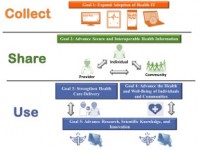
The Federal Strategy For Collecting, Sharing, And Using Electronic Health Information
Making our nation’s health and wellness infrastructure interoperable is a top priority for the Administration, and government plays a vital role in advancing this effort. Federal agencies are purchasers, regulators, and users of health information technology (health IT), as they set policy and insure, pay for care, or provide direct patient care for millions of…
-
Khoo Teck Puat Hospital Achieves HIMSS Analytics Stage 6 with Allscripts EHR
Allscripts clients Alexandra Health System and Integrated Health Information Systems (IHiS) have achieved Stage 6, the second-highest level attainable on the HIMSS Analytics Electronic Medical Record Adoption Model (EMRAM), for Khoo Teck Puat Hospital (KTPH) in Yishun,Singapore. KTPH is a 590-bed general and acute-care hospital managed by the northern healthcare cluster, Alexandra Health System (AHS). Opened…
-
HIMSS Analytics Honors MetroHealth Medical Center With Stage 7 Award
HIMSS Analytics awarded MetroHealth Medical Center, in Cleveland, Ohio, with a Stage 7 Award. The award represents attainment of the highest level on the Electronic Medical Records Adoption ModelSM (EMRAM), which is used to track EMR progress at hospitals and health systems. HIMSS Analytics developed the EMR Adoption Model in 2005 as a methodology for…
-
The November 2014 HIT Standards Committee
The November HIT Standards Committee focused on “asynchronous bilateral cutover” – the compatibility of different CCDA payloads, healthcare IT that supports long term services and support, an update on the Standards & Interoperability projects, a discussion of data provenance efforts, and the HITSC workgroup organization. We started the meeting by thanking Jacob Reider, Deputy National…
-
Is Meaningful Use working and what can innovators do to help with EHR adoption?
Earlier this year NueMD created a nice looking Meaningful Use Infographic — asking the question whether MU was helping or hurting EHR Adoption. I loved the summary but I wanted to dig in a little further so I asked Dr. William Rusnak, a resident physician in radiology and a healthcare IT writer for NueMD, to tell us what that…
-
New Case Studies Explore Communities Supporting Accountable Care
A growing number of care providers across the country are participating in value-based payment arrangements that are helping to transition the nation away from traditional fee-for-service methods of paying for health care. While fee-for-service models offer little accountability for health outcomes, more and more providers are using new models that reward their ability to deliver…
-

Live From State HIT Summit: Beyond Meaningful Use — Policy Levers to Promote Interoperability
Speaking at the State Healthcare IT Connect Summit in Baltimore on April 1, Kelly Cronin, health reform coordinator for the Office of the National Coordinator for Health IT, described how ONC and HHS plan to pull all available levers in working with state partners to promote health data interoperability and reach providers who were not…
-

The Cloud Is Here: Protecting Health Information In The New Age
Although the cost and flexibility of the cloud have long been appealing to hospitals, doctors, pharmacies, and other covered entities, many healthcare providers have been hesitant to move their data because of security concerns. However, the winds may have changed on September 23, 2013, when business associates became directly liable and responsible for complying with…