Author: trident50
-
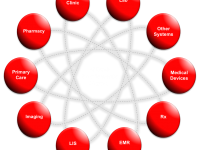
Care-coordination grant helps Unity tie data together
A $14 million state grant for data sharing and improved care coordination provided the means and opportunity for Rochester, N.Y.-based Unity Health System to build a private infrastructure that ties… read more …read more
-

New initative to focus on ‘harmonizing’ CDS, electronic clinical quality measurement standards
While lauding the Health eDecisions project for its work to set standards to support clinical decision support, a Health IT Buzz post announces a new initiative called the Clinical Quality Framework… read more …read more
-
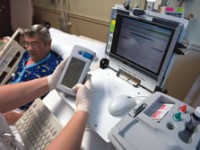
How hospitals can make big data pay big
Hospital executives are faced with numerous challenges related to healthcare reform in general and the Affordable Care Act in particular. Strategic decisions about how to address these challenges will significantly impact not only the financial and clinical performance of hospitals, but the perception of executive leadership itself. read more …read more
-

How Can You Achieve ICD-10 Peace of Mind?
In this Healthcare Informatics podcast, Janice Wurz, senior advisor at Impact Advisors, speaks with Senior Editor, Gabriel Perna on the ICD-10 transition. Specifically, Wurz talks about what has been holding back many providers in achieving readiness and how they can get peace of mind. The battle over the ICD-10 transition will come to a head…
-

Medicaid expansion compromise fails in Nebraska legislature
This “carefully crafted” approach fell short of the needed support,but its backers vow to return next year with a new proposal. News outlets also provide updates on expansion efforts in Nevada, Virginia and Ohio. …read more
-

Research roundup: New medical coding system; choosing a hospice; revamping Medicare
On October 1, 2014, all health plans, health data clearinghouses, and health care providers that transmit health information electronically must use a new, significantly broader, coding system, called ICD-10, for diagnoses and inpatient procedures. …read more
-

Treat or eat: Many people forced to choose between food or medicine
Chronically ill adults who reported food insecurity in their household (not having consistent access to food due to lack of financial stability) were significantly more likely to report cost-related medication underuse, according to a new study in The American Journal of Medicine,. The term cost-related medication underuse refers to taking less medication than prescribed, or…
-

Moving From Volume To Value: Participate At Your Own Risk
In July of 2013, when CMS released first-year performance results for the 32 Pioneer ACOs, quality-based metrics showed measurable improvement over traditional fee-for-service (FFS) Medicare. Financial results, however, were inconsistent, with only about 40% of participants qualifying for shared bonuses. …read more
-

EHRs may help save lives from sepsis
Here’s another reason why those multi-million dollar electronic health record systems might be finally paying off, in terms of lives potentially saved. According to new research, EHRs can be used to predict the early stages of sepsis, one of the leading causes of death in the U.S., responsible for killing some 210,000 people each year.…
-

Study explores connection between ideology, social capital and health
The nation’s left-leaning citizens might be pleased by the findings of a new University of Nebraska study that finds those who live in liberal states tend to be healthier. …read more